Insights

Guides

Every guide on Direct Debit, late payments and cash flow. Practical, sourced, written to be used.

Guides

Late payments & cash flow

Getting paid on time comes down to understanding why payments slip, pricing the cost of delay, and knowing exactly what UK law lets you do about it.

Guides
8

Why do clients pay invoices late? 7 causes and fixes

Late payment is often caused by invoice errors, approval friction, cash-flow pressure or forgotten tasks. Learn seven causes and practical prevention steps.

Guides
8

How many hours do businesses waste chasing invoices?

UK businesses lose an average of 86 hours a year chasing late payments, 133 million hours across the economy. See what that time really costs and how to reclaim it.

Guides
8

The true cost of late payments for small businesses

Late payments cost UK small businesses far more than the delayed invoice. See the financing gap, growth drag and closure risk, plus the 2026 reforms and what to do now.

Guides
8

How to stop chasing unpaid invoices: a practical system

A step by step system to stop chasing unpaid invoices: fix the front door, automate collection, and keep a clear escalation ladder for genuine exceptions.

Guides
7

Late payment interest UK: what you can charge and how

UK businesses can charge statutory interest at 8% above base rate on late B2B invoices, plus fixed compensation. See the rules, the maths and when to use them.

Why UK Businesses Struggle With Late Payments (And How To Fix It) — cover illustration

Why UK Businesses Struggle With Late Payments (And How To Fix It)

Late payments create unnecessary stress, slow growth and consume valuable time. Learn why businesses struggle to get paid and how automation changes the process.
Guides
5

How To Reduce Debtor Days And Improve Cash Flow

Learn how reducing debtor days can improve cash flow, reduce payment delays and create a more predictable financial future for your business.

What to do when a client won't pay an invoice — cover illustration
Guides
8

What to do when a client won't pay an invoice

A calm, staged process for when a client refuses or fails to pay: diagnose the cause, escalate in the right order, and protect the relationship where it deserves protecting.

Guides
7

Can Direct Debit be used for one off payments?

Yes. Direct Debit is not just for subscriptions. See how one off and variable invoice collections work, the notice rules, and when it beats a bank transfer.

How to automate invoice collection: a complete guide — cover illustration
Guides
8

How to automate invoice collection: a complete guide

Automating invoice collection means connecting invoicing, payment and reconciliation into one workflow. See the four levels of automation and how to build them.

Invoice payment terms explained: net 30, EOM and beyond — cover illustration
Guides
7

Invoice payment terms explained: net 30, EOM and beyond

Net 30, net 60, EOM, CIA, staged terms. What each payment term means, which to choose, and how to write terms that actually get you paid on time.

How to politely chase an unpaid invoice: templates that work — cover illustration
Guides
7

How to politely chase an unpaid invoice: templates that work

Five ready to use email templates for chasing unpaid invoices politely and firmly, with timing, phone scripts and the escalation point where politeness changes gear.

Cash flow forecasting for small businesses: a working guide — cover illustration
Guides
8

Cash flow forecasting for small businesses: a working guide

How to build a 13 week rolling cash flow forecast that actually works: cash timing rules, tax cliffs, reading the gaps and making receipts predictable.

Direct Debit for accountants' clients: the adviser's guide — cover illustration
For accountants
8

Direct Debit for accountants' clients: the adviser's guide

How accountancy firms help clients replace invoice chasing with Direct Debit collection: which clients fit, how to raise it, and what the firm gains.

How accountants help clients get paid faster: the playbook — cover illustration
For accountants
8

How accountants help clients get paid faster: the playbook

The five lever playbook accountancy firms use to cut client debtor days: reporting, invoice hygiene, terms, systemised chasing and automatic collection.

Xero Direct Debit: how to collect invoices automatically — cover illustration
Guides
7

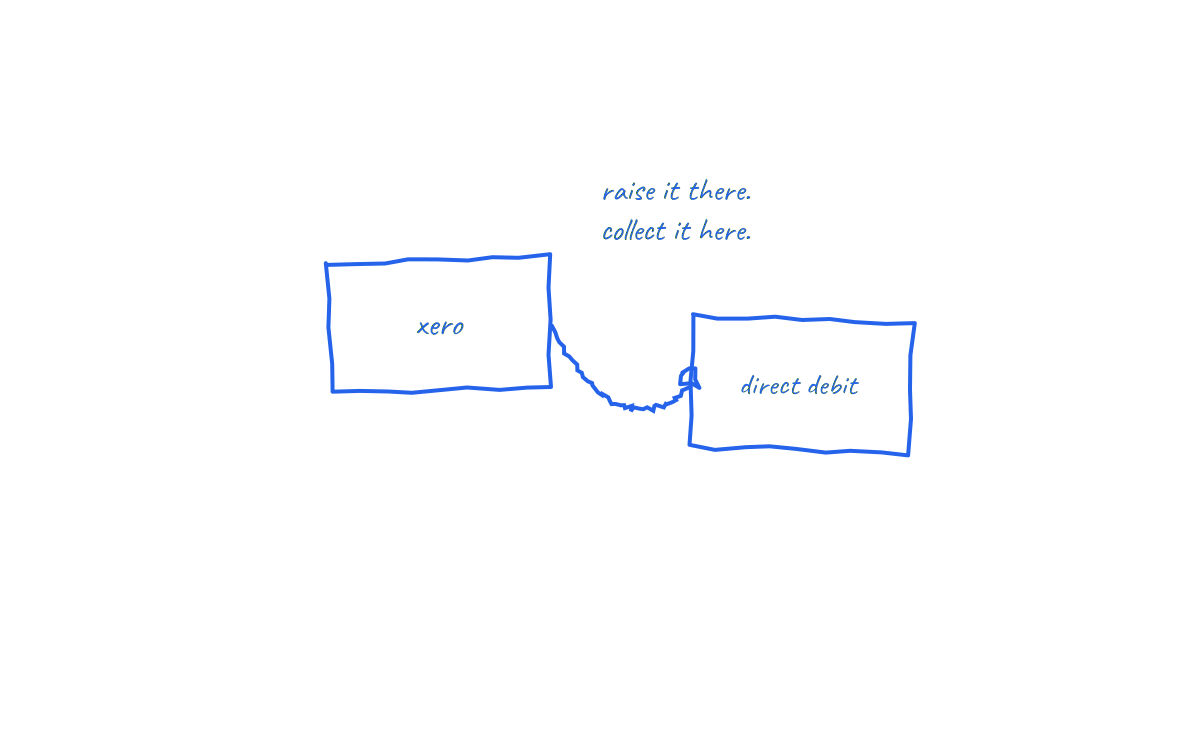
Xero Direct Debit: how to collect invoices automatically

Xero raises invoices but does not collect them. See how to connect Xero to Direct Debit so invoices collect on their due dates and reconcile themselves.
QuickBooks Direct Debit: automatic invoice collection — cover illustration
Guides
7

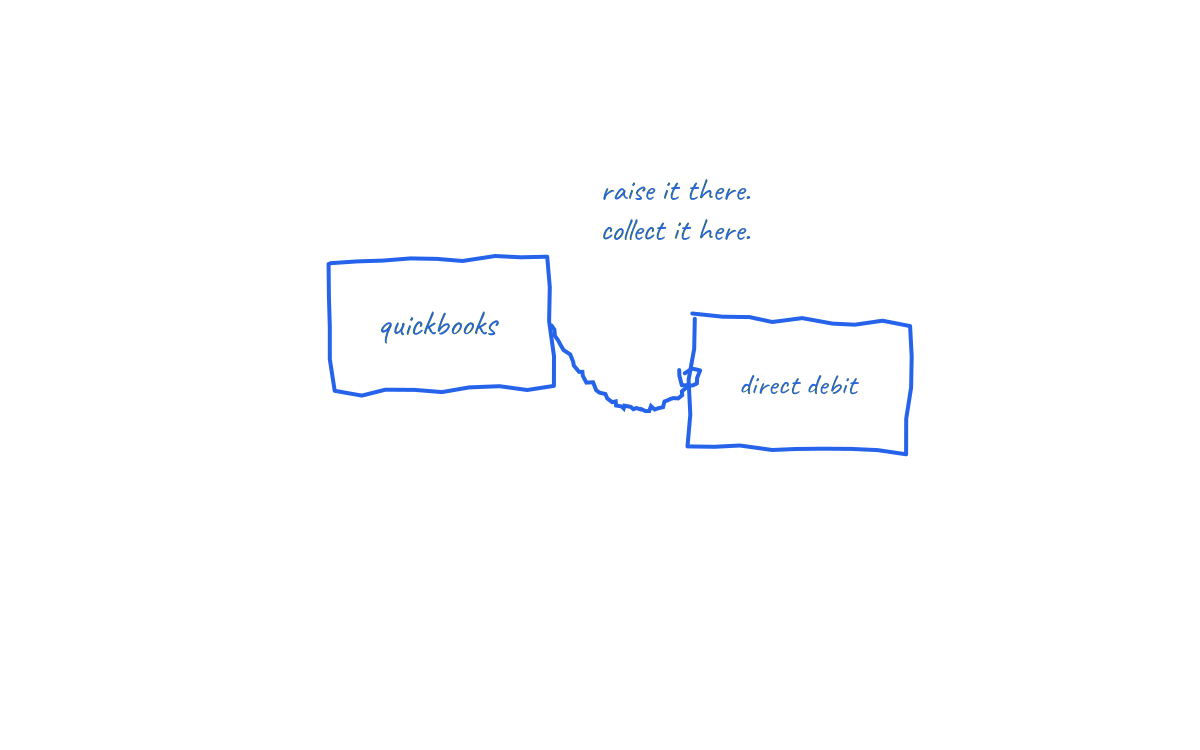
QuickBooks Direct Debit: automatic invoice collection

How to connect QuickBooks Online to Direct Debit collection: customer terms, recurring transactions, mandates and payments that post themselves back.

Sage Direct Debit: collecting the sales ledger automatically — cover illustration
Guides
7

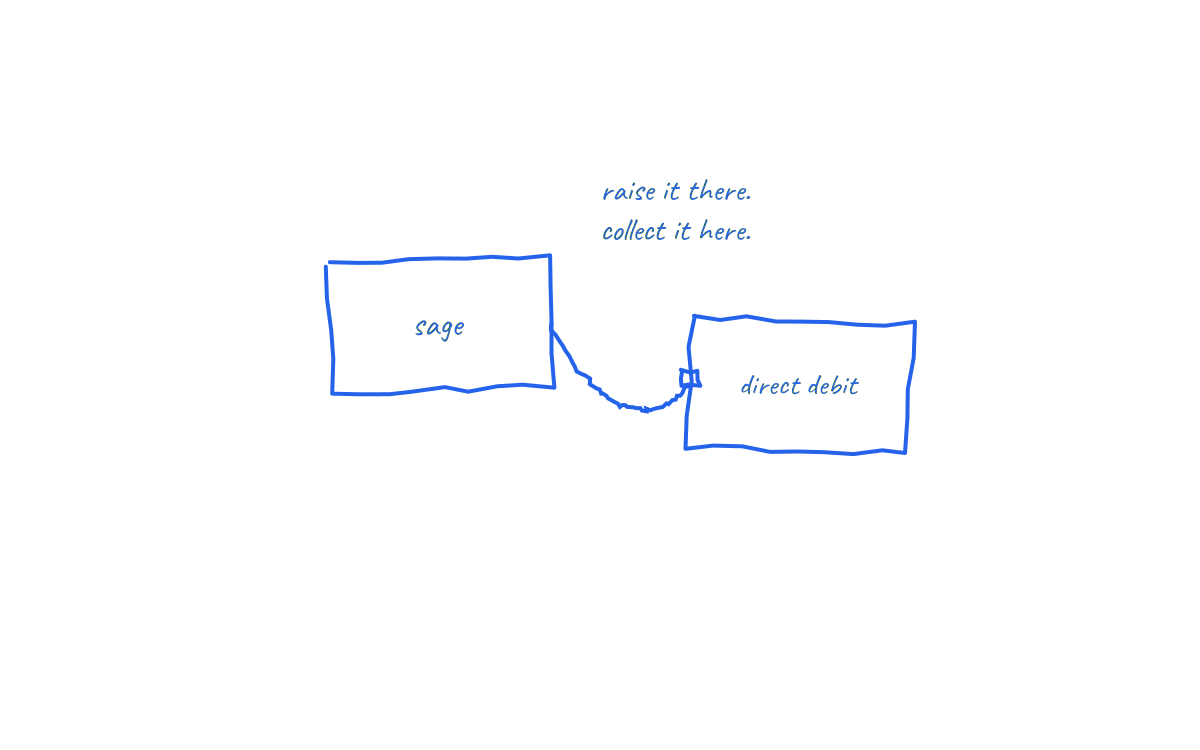
Sage Direct Debit: collecting the sales ledger automatically

How Sage businesses connect the sales ledger to Direct Debit collection: mandates, due date driven scheduling, exception handling and automatic posting.

Guides

Direct Debit fundamentals

Everything a UK business needs to know before collecting by Direct Debit, how it works, how safe it is, and how it compares to other payment methods.

Guides
8

How to set up Direct Debit for a UK business

Learn the two routes to collecting Direct Debit, the checks and systems involved, and how to choose a provider that works with your invoicing.

Guides
7

Is Direct Debit safe? UK protection and risks explained

Direct Debit is built on regulated UK payment infrastructure and includes strong payer protection. Learn the safeguards, risks and practical checks.

Guides
7

How long does Direct Debit take? Bacs timings explained

The core Bacs collection cycle runs over three working days, while first payments take longer. See submission, notice and payout timings clearly.

Guides
7

Direct Debit vs standing order: key differences

Direct Debit lets a business collect fixed or variable amounts; a standing order sends a fixed amount controlled by the payer. Compare both clearly.

Guides
7

What is a Direct Debit mandate and how does it work?

A Direct Debit mandate gives permission to collect agreed payments. Learn what it contains, how customers approve it and what cancellation means.

Guides
8

Direct Debit vs card vs bank transfer for invoices

Compare Direct Debit, cards and bank transfers for UK invoices across speed, cost, control, customer protection, failures and reconciliation.

Guides
7

Direct Debit Guarantee: what it covers and what it doesn’t

The Direct Debit Guarantee covers errors in setup and collection. Learn how refunds work, what is excluded and what cancellation means.

Guides
8

How does Direct Debit work? A guide for UK businesses

Learn how UK Direct Debit works, from the mandate and advance notice to the three-day Bacs cycle, failed payments, protection and business setup.

GoCardless pricing explained: fees, caps and surcharges — cover illustration
Guides
7

GoCardless pricing explained: fees, caps and surcharges

GoCardless charges 1% plus 20p capped at £4 on standard UK Direct Debits, with surcharges above £2,000. See the full fee structure and what it means for invoice businesses.

Guides
8

GoCardless alternatives UK: how to choose in 2026

How to choose a GoCardless alternative in the UK: the criteria that decide it, four provider categories, and how to switch mandates without customer re signing.
Direct Debit for construction and trades: getting paid on time — cover illustration
Guides
8

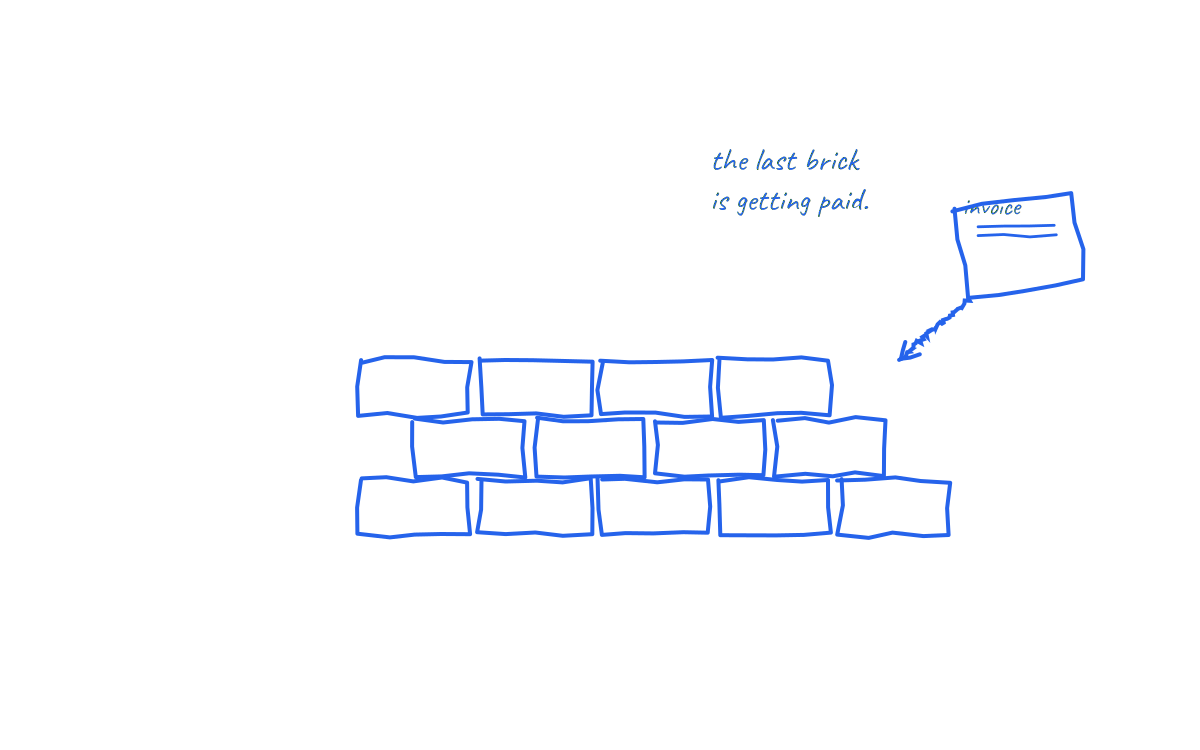
Direct Debit for construction and trades: getting paid on time

Construction and trades face the UK's worst payment delays. See which income suits Direct Debit collection, how to handle retentions and chains, and how to set it up.